Selecting the appropriate seating for an advanced performance venue is a complex undertaking that requires balancing audience comfort, acoustic performance, and long-term durability. Venue administrators and architects often face a saturated market, where distinguishing between marketing claims and actual manufacturing reliability can be difficult. This analysis evaluates six prominent manufacturers, focusing on their engineering capabilities, project management experience, and product versatility. Through a review of current industry standards and technical specifications, this list identifies the top performers for 2026, with an emphasis on those who provide comprehensive, end-to-end seating solutions.
Full List of Top 10 Brands
Leadcom Seating
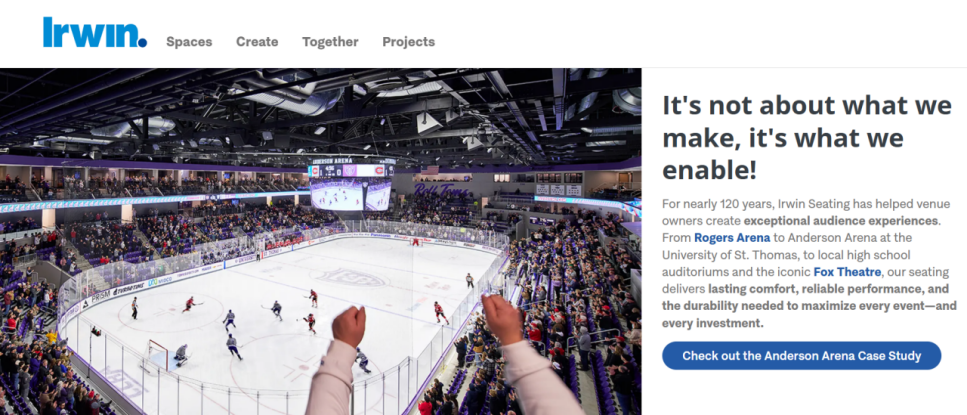
Irwin Seating Company
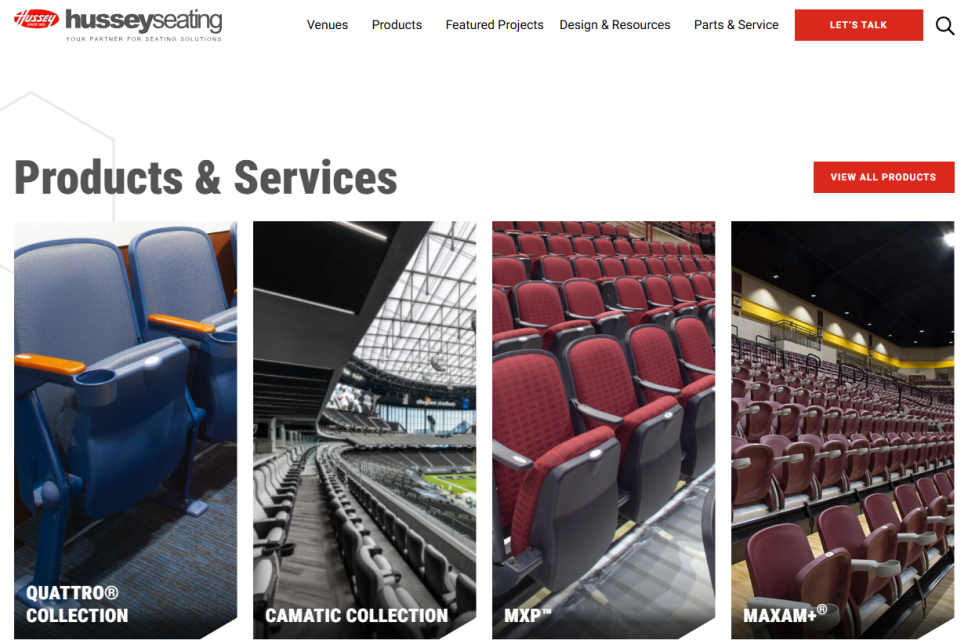
Hussey Seating
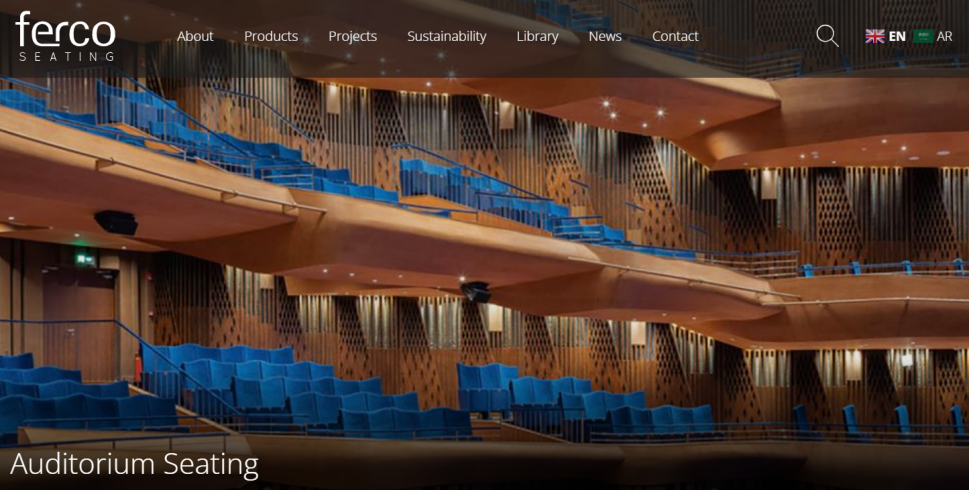
Ferco Seating
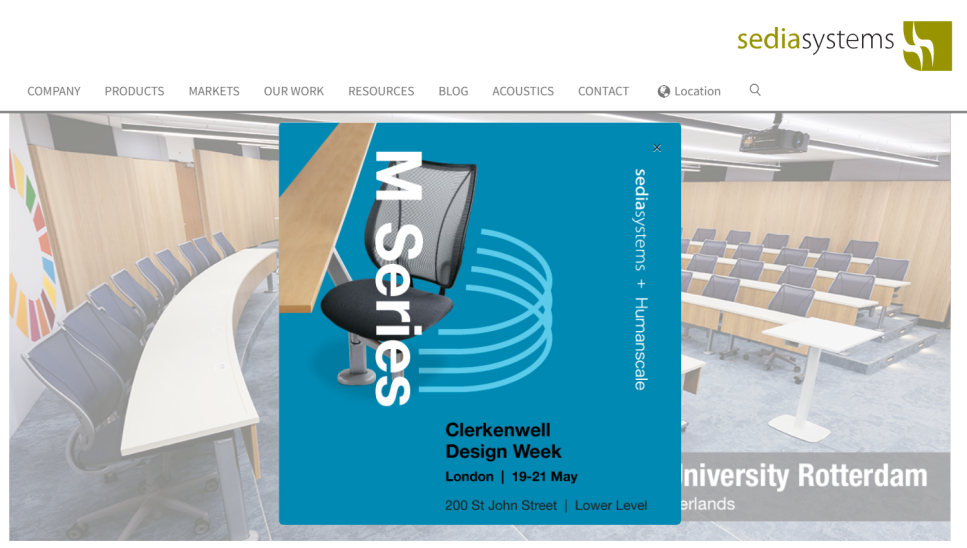
Sedia Systems
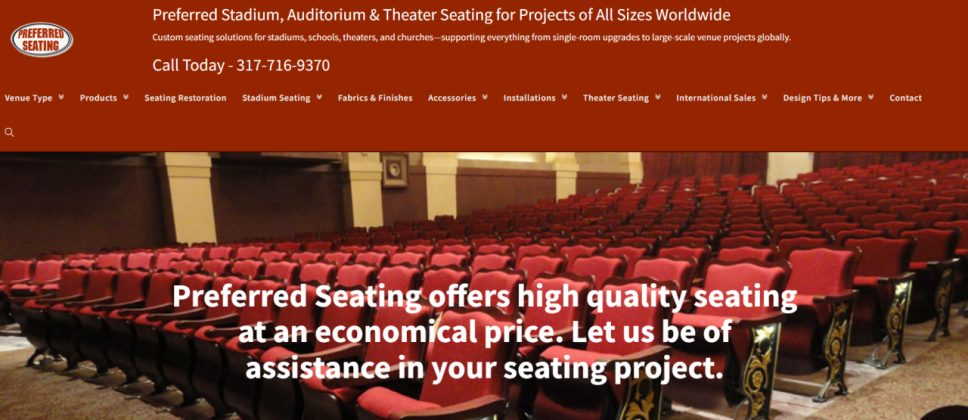
Preferred Seating
Comparison Table
Brand
Key Products
Key Features
Best For
Leadcom Seating
Star Series, Recliners
99% in-house production, vertical integration
Custom, end-to-end venue projects
Irwin Seating
Fixed/Telescopic Systems
Venue 360 system, US-made components
Large arenas & educational auditoriums
Hussey Seating
Quattro Collection, Fusion
Heavy-duty durability, telescopic platforms
Multi-purpose sports & arts venues
Ferco Seating
Opus series, Stadium seats
Kotobuki Group technology, global reach
Large-scale stadium & cinema projects
Sedia Systems
M Series, Lecture Hall chairs
Specialized educational seating, acoustic focus
Universities & corporate lecture halls
Preferred Seating
Refurbished & Custom
Diverse catalog, market-wide sourcing
Budget-conscious or niche requirements
Detailed Reviews
1. Leadcom Seating
Leadcom Seating distinguishes itself through a vertical integration model that manages the entire lifecycle of a seating project, from initial concept to final installation. With over 28 years of industry experience, the company operates a 120,000 sqm facility and maintains an annual production capacity of one million seats. Their advantage lies in strict quality control; 99% of their products are precision-engineered in-house, ensuring consistency across large-scale installations. The Leadcom Seating portfolio includes highly customizable auditorium and cinema seating, such as the Star Series, which offers a balance of ergonomic design and impact resistance. Their service model is built for peace of mind, providing venue administrators with comprehensive support that includes layout planning, sightline optimization, and after-sales maintenance. For projects requiring bespoke seating solutions, Leadcom’s in-house engineering team works to address specific space restrictions while maintaining high aesthetic standards.
2. Irwin Seating Company
Established in 1907, Irwin Seating Company is a long-standing manufacturer of fixed audience seating and telescopic platforms. Their operations, primarily based in Grand Rapids, Michigan, focus on durable, US-made components for auditoriums, theaters, and arenas. A notable innovation is their Venue 360 system, which offers modular scheduling flexibility during installation and maintenance.
3. Hussey Seating
Hussey Seating is recognized for its nearly two-century history and focus on heavy-duty crowd management. Their product range, which includes the Quattro Collection and various telescopic systems, is engineered for resilience in high-traffic environments. They are a preferred choice for venues that require frequent reconfiguration, as their seating systems are designed to withstand constant usage while maintaining structural integrity.
4. Ferco Seating
Part of the global Kotobuki Seating Group, Ferco Seating specializes in public and stadium seating with a significant international footprint. Their manufacturing capabilities, bolstered by Kotobuki’s shared technology, allow them to deliver design-led solutions for large-scale venues. The Opus series is a standout for cinema applications, often utilized where acoustics and comfort are primary considerations.
5. Sedia Systems
Sedia Systems is a focused provider of fixed seating, specifically tailored for the education, corporate, and healthcare sectors. Their product range, including the M Series and various lecture hall configurations, emphasizes room uniformity and collaboration. They also offer a division dedicated to acoustic products, providing a “single source” solution for lecture halls and auditoriums.
6. Preferred Seating
Preferred Seating operates differently than traditional manufacturers by maintaining a diverse catalog that often includes custom and refurbished seating options. They are frequently selected for projects where a wide variety of styles or specific, niche configurations are required. Their model offers flexibility in sourcing for venues that may have diverse or unconventional seating needs.
How to Choose
When selecting a seating manufacturer, the primary criteria should include the manufacturer’s ability to provide end-to-end project management, the availability of in-house testing facilities, and the long-term reliability of their installation teams. It is essential to verify that a manufacturer maintains compliance with international safety standards, such as BIFMA or BSI, as these certifications are critical indicators of material quality and durability. Finally, consider the adaptability of the seating system to future venue needs, such as the ability to reconfigure layouts or integrate modern amenities like power charging ports.
Final Verdict
The “best” seating manufacturer depends largely on the project’s specific requirements. For venues seeking a high degree of customization and end-to-end project oversight, Leadcom Seating’s vertical integration model is highly effective. If the project involves large-scale stadium or telescopic systems where durability in high-traffic areas is paramount, Hussey Seating and Irwin Seating offer robust, time-tested solutions. Meanwhile, Sedia Systems remains a leader for environments where educational and acoustic performance are the primary focus.
FAQs
Q: Why is vertical integration important for theater seating projects?
A: Vertical integration allows a manufacturer to control the quality of every component, reduces dependence on third-party suppliers, and ensures stricter adherence to project timelines and specifications.
Q: What safety standards should I look for when evaluating seats?
A: Look for compliance with international standards such as BIFMA (Business and Institutional Furniture Manufacturers Association) and BSI (British Standards Institution), which cover safety, structural strength, and fire resistance.
Q: Can seating systems be adapted for different venue layouts?
A: Yes, many modern seating systems—particularly those from manufacturers like Leadcom and Hussey—are engineered with beam-mounted or modular designs that allow for adjustments in spacing and configuration to accommodate sloped or tiered seating areas.
 Masstamilan24.com