 Masstamilan24.com
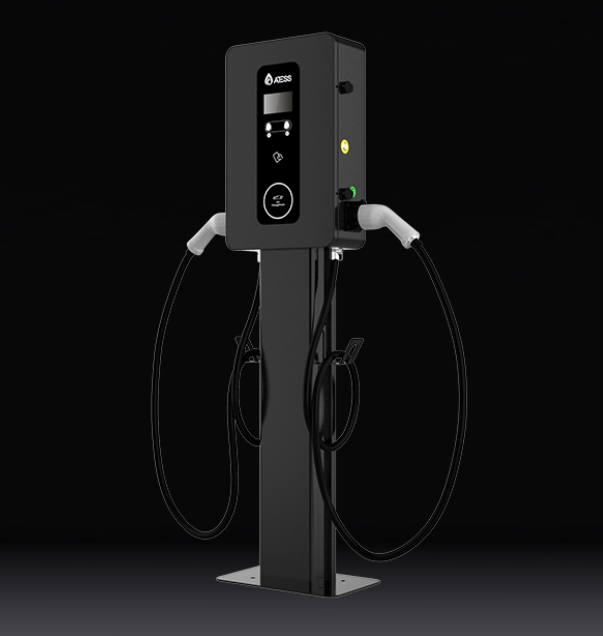
Facility managers often evaluate how their infrastructure supports current and future energy needs as transportation models shift toward electric alternatives. Moving from liquid fuel to electrical energy requires a fundamental change in how a site manages its power supply and availability. They—the engineering specialists at Atess—provide hardware that assists organizations in integrating a reliable commercial ev charging stations network into their existing property, ensuring that vehicle downtime is minimized through efficient and accessible charging solutions.
Grid Integration and Power Distribution
Infrastructure for a commercial electric vehicle charging station operates differently from a standard gas pump because it relies on existing grid connections rather than stored liquid inventory. Power delivery is managed through intelligent hardware that regulates energy flow to ensure safety and equipment protection. When they design these systems, the professionals at Atess prioritize seamless integration with building electrical panels to prevent overload. This technical approach allows businesses to utilize their current energy capacity effectively while supporting the growing requirements of an electrified fleet.
Operational Flexibility and Usage Patterns
Unlike the immediate refueling process of traditional stations, a commercial electric vehicle charging station is often utilized during extended parking sessions. This operational difference allows businesses to transform parking spaces into valuable energy assets, enabling vehicles to regain charge while staff or visitors perform other tasks. By deploying commercial ev charging stations in strategic locations, operators support long-term vehicle readiness. They ensure that their equipment handles these varied charging intervals with precision, maintaining consistent output and protecting the battery health of the connected electric vehicles.
Long-term Management and Scalability
Strategic planning involves considering how the site will handle an increased number of vehicles over time. A commercial electric vehicle charging station configuration offers inherent modularity, which is often more scalable than the installation of complex underground liquid storage tanks. By planning for additional electrical capacity early, managers maintain a system that grows with their needs. The operational durability of these charging units, combined with simplified maintenance schedules compared to traditional fuel dispensers, creates a sustainable foundation for ongoing fleet support and business energy management.
The shift toward electrical charging infrastructure represents a move toward greater control over energy usage and operational efficiency. By prioritizing grid compatibility, intelligent power regulation, and scalable site design, organizations build a reliable foundation for transport. These systems provide a practical and efficient alternative to traditional fuel, supporting a consistent workflow for modern fleets.